Slow Luxury Across Canada: Travel That Cherishes Place and Leaves Light Traces

Join us as we explore sustainable slow luxury travel, spotlighting low-impact lodges and carbon-light itineraries across Canada that elevate comfort while protecting wild lands and communities. From rainforests and fjords to prairies and Arctic tundra, we’ll savor fewer stops, longer stays, and meaningful connections. Learn how trains, ferries, bicycles, and boots can replace planes, and how refined stays can be regenerative, not extractive. Share your ideas, ask questions, and help shape a gentler, richer way to roam.

Choosing Low-Impact Lodges That Feel Truly Indulgent

Luxury can be quiet, warm, and deeply responsible. Seek places that generate or purchase clean energy, reduce water use, and celebrate local craftsmanship. Look for transparent certifications, traceable supply chains, inclusive hiring, and design that frames landscapes without dominating them. Slow mornings, handbuilt furniture, and dinners anchored in place can offer more joy than excess ever could.

Carbon-Light Itineraries From Coast to Coast to Arctic
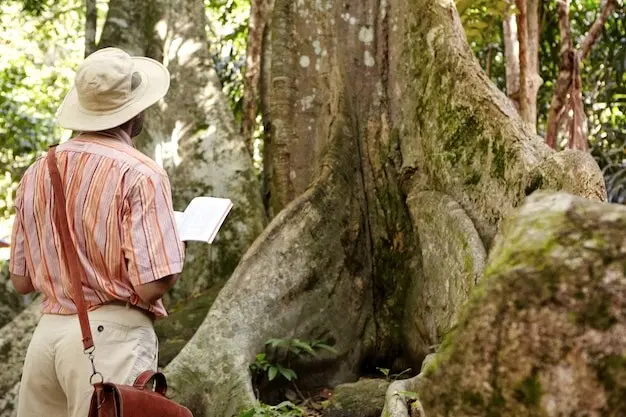
Design journeys that swap speed for presence. Stitch together rail corridors, scenic ferries, regional buses, e-bike loops, and multi-day paddles. Consolidate distances, choose hub-and-spoke exploration days, and celebrate serendipity. Canada rewards patience: fjords emerge slowly, prairie skies widen gradually, and northern light unveils itself when schedules soften. The reward is story-rich travel with dramatically smaller footprints.

Seasonality and Pace: Why Going Slower Feels Richer

Shoulder seasons open doors: quieter trails, migrating birds, and conversations that deepen when crowds fade. Fewer checkouts mean less laundry, transport, and stress. Recovery days become anchors for journaling, sketching, and listening. When itineraries pause, senses catch up, and subtle patterns appear—kelp rhythms, wind shifts, or ice cracking—reminding us that time is a landscape, too.

Shoulder-Season Magic: Less Rush, More Connection

In spring and fall, guides unspool stories slowly, staff have time to demonstrate crafts, and wildlife behavior feels less pressured. Prices stabilize, and your presence supports continuity between peak waves. Mist rises, mushrooms fruit, and shorelines hush. You leave with deeper notes rather than a loud chorus, and lasting understanding replaces hurried snapshots.

Rest Days as Destinations: Deepening a Place Relationship

Schedule unscripted days where you wander farmer’s markets, trace local murals, and read field guides beside a window seat. A single cove visited twice reveals new tides, sounds, and scents. Muscles repair, curiosity expands, and conversations gain nuance. Paradoxically, doing less opens more doorways into culture, cuisine, geology, and the gentle rhythm of daily life.

Nightfall Rituals: Dark Skies, Stories, and Silence

Replace screens with thermos tea, a wool hat, and sky maps. Many Canadian regions guard dark-sky sanctuaries where the Milky Way pours like a river. Learn constellations, hear oral histories, and record thoughts by headlamp. Sleep lands deeper, and tomorrow’s footsteps tread softer because night restored the senses that modern itineraries frequently overlook.

Wildlife Etiquette and Fieldcraft for Gentle Encounters

{{SECTION_SUBTITLE}}

Distance, Timing, and Tools That Prioritize Animal Needs

Carry binoculars and a lightweight telephoto to replace approaches that crowd habitats. Travel during windows that avoid feeding, pupping, or nesting stresses. Guides can help interpret posture, calls, and trail signs. When uncertainty arises, step back. The most unforgettable moments often happen quietly, across respectful space, where patience and restraint transform observation into profound connection.

Guides as Guardians: Learning From Local Experts

Choose certified leaders rooted in the region, ideally representing or partnering with Indigenous knowledge holders where welcomed. They decode winds, tracks, and berry patches, shaping routes that minimize disturbance. Tips about tidal gates or thermal updrafts increase safety and sightings. Gratitude, fair pay, and listening turn outings into shared stewardship rather than spectator experiences.

Packing Light, Caring Big: Gear for Low-Impact Comfort

A purposeful kit reduces emissions, clutter, and decision fatigue. Repairable layers, refillable bottles, compact filters, and versatile shoes replace piles of single-use extras. Opt for durable merino, recycled shells, and well-fitted packs. Add a small field notebook, tiny sewing kit, and microfiber towel. Traveling light helps you notice details and leave places undisturbed and unburdened.

Wardrobe That Works Hard: Merino, Repair, and Rewear
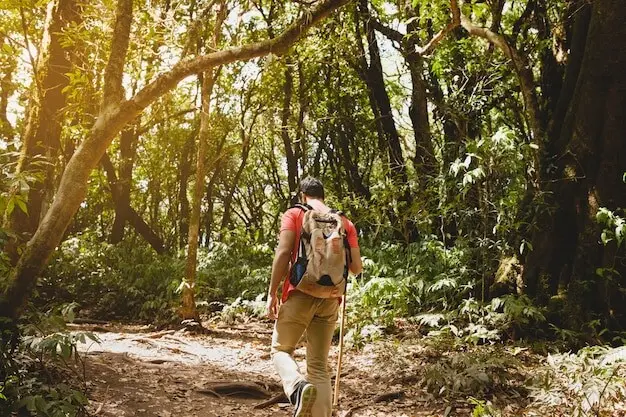
Choose pieces you can wash less, air more, and mend easily. Neutral palettes mix well, while layering adapts to coastal drizzle, prairie sun, and alpine chill. Pack a repair patch, mini thread, and gentle soap flakes. When clothes earn stories rather than landfill fates, comfort grows lighter, warmer, and far more personally meaningful.

Power, Connectivity, and Navigation With Minimal Footprint

Carry a compact power bank, low-draw headlamp, and shared charging schedule that reduces peak loads at remote lodges. Download offline maps and tide tables, then switch to airplane mode on trails. Solar trickle charges during rest breaks help. The goal is safety and orientation without the buzzing urgency that fractures attention and bloats energy use.

Culinary Journeys: Slow Food, Terroir, and Zero-Waste Dining

Taste places, not packages. Seek kitchens that source from nearby fishers, foragers, farmers, and seed keepers. Menus should shift with weather and tide charts, celebrating abundance without strain. Low-waste techniques, preservation methods, and thoughtful portions elevate flavor while shrinking footprints. Stories arrive table-side: soil types, currents, elders’ teachings, and collaborative efforts to sustain delicious futures.

Measuring and Offsetting What Remains, Together
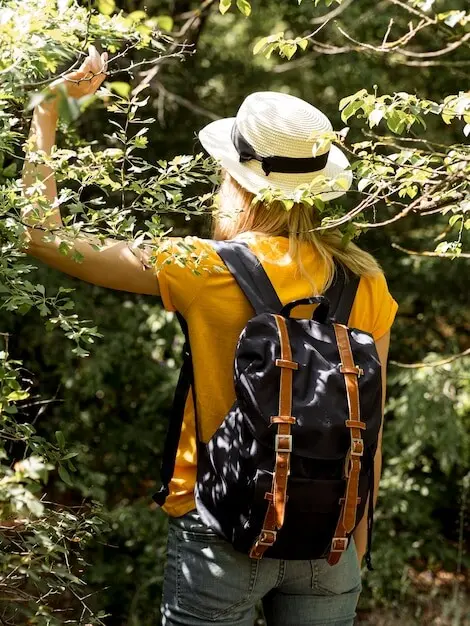
Even careful journeys carry footprints. Track transport, stays, and meals with simple calculators, then prioritize reduction before any offset. Support transparent, community-led regeneration: wetland restoration, Indigenous guardianship, and urban canopy projects. Share your route publicly, invite feedback, and exchange ideas. Collective learning improves future plans, turning one elegant trip into a ripple of responsible choices.

Counting What Counts: Practical Carbon Accounting on the Road
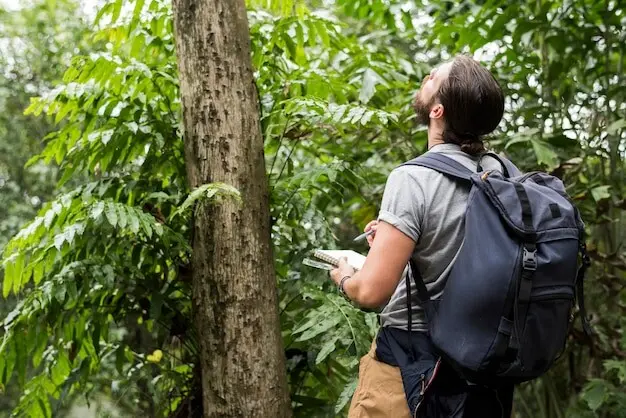
Log rail kilometers, ferry legs, and room nights, noting renewable sourcing where available. Weigh luggage, consolidate gear, and avoid duplicate purchases. Choose slower connections that remove flights. A modest spreadsheet or app clarifies tradeoffs, revealing how pacing, lodging choices, and meal planning intersect. Decisions feel empowering when numbers confirm that comfort and conscience can align beautifully.

Meaningful Offsets and Onsets: Funding Real Regeneration
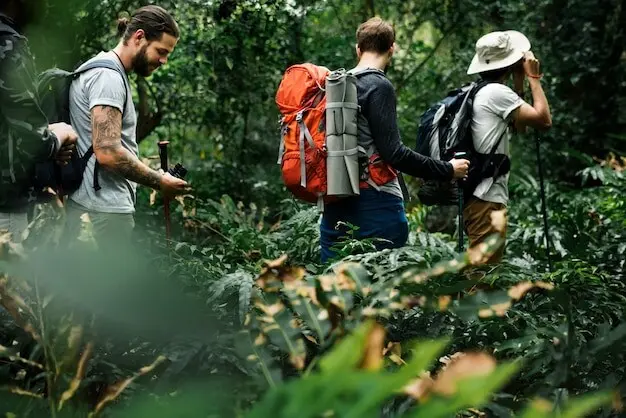
Favor projects with peer-reviewed standards and co-benefits like habitat protection, language programs, and water quality improvements. Better yet, fund prevention and restoration where you traveled. Think tree nurseries, shoreline cleanups, and fire-smart work. Offsets follow reductions, not replace them. When investments match your memories, accountability feels personal rather than abstract accounting on distant ledgers.

Share, Review, Subscribe: Building a Caring Travel Circle

Tell us where you found the gentlest rail connections or the most thoughtful lodge teams. Comment with packing lists, train hacks, and learning moments. Subscribe for new routes, interviews, and seasonal updates. Your lived experience guides others toward slower, kinder choices, transforming curiosity into community and ensuring these places remain vibrant, welcoming, and wonderfully wild.
Sanotelivirokento
Privacy Overview

This website uses cookies so that we can provide you with the best user experience possible. Cookie information is stored in your browser and performs functions such as recognising you when you return to our website and helping our team to understand which sections of the website you find most interesting and useful.